Product Description
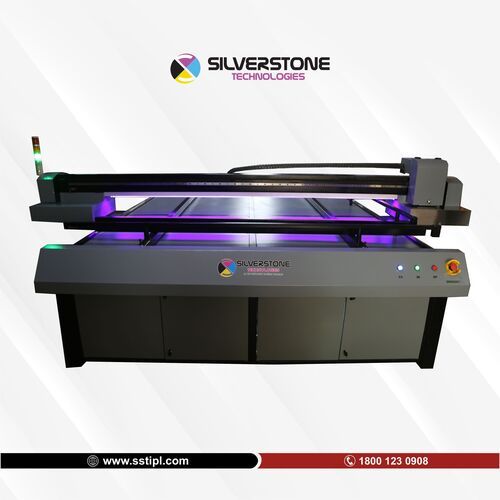
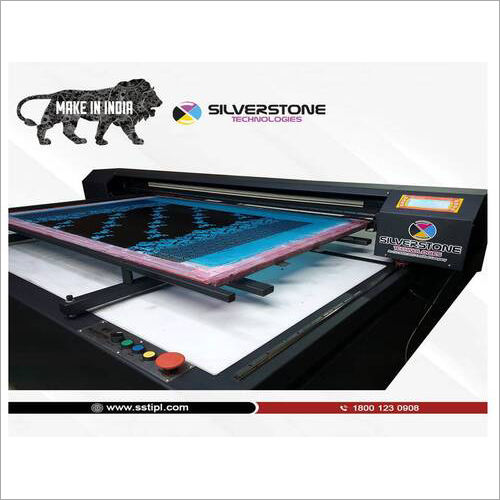
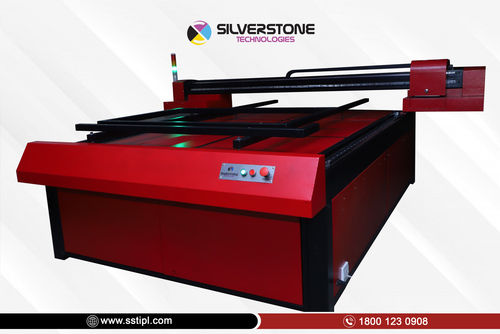
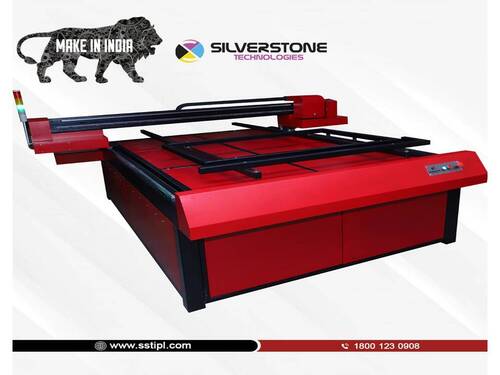
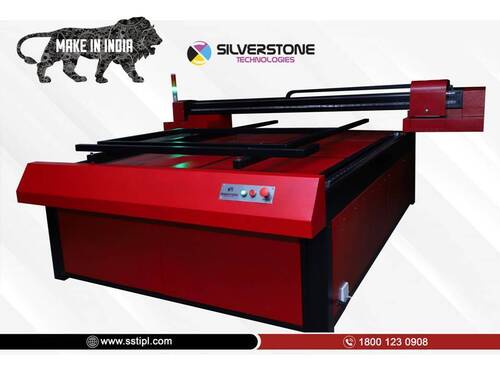
Advanced features of computer to screen imaging system reducing printing cost by boosting prepress activities ( formation of print layout and adoption of other steps for achieving final print result). Available with Ethernet connection facility, offered computer to screen imaging system is reckoned for its user friendly control panel that boosts its printing standard and output as well. Commonly referred as inkjet engraver, this system has direct interface where the operator can avail facility for using design software like Photoshop. It uses solid wax or water based ink for improving its printing standard.
Advanced Digital Imaging for Enhanced ProductivityOur Computer to Screen Imaging System uses state-of-the-art LED UV exposure to provide sharp, reliable imaging at up to 1200 dpi. Designed for heavy-duty use and large frame sizes, it ensures enhanced consistency and reduced setup times in industrial printing environments, supporting up to 60 screens per hour.
User-Friendly Operation and Seamless IntegrationWith a modern touchscreen panel and Windows-compatible software, the system is simple to operate and integrates well into existing workflows. Dual connectivity (USB 2.0 and Ethernet) allows for quick data transfer, making it ideal for high-demand production lines seeking efficiency and versatility.
Durable Construction and Energy-Efficient PerformanceConstructed from stainless steel, this imaging system is robust and designed for high-volume use. Its integrated air cooling system, low noise level, and digital color management make it suitable for continuous operation in varied temperature conditions, all while maintaining precise control over print quality.
FAQ's of COMPUTER TO SCREEN IMAGING SYSTEMS:
Q: How does the Computer to Screen Imaging System work?
A: This system digitally processes artwork files (in TIFF, BMP, PNG, or JPEG format) and transfers them directly onto flat plates using a high-resolution (1200 dpi) LED UV exposure unit. It automates the screen preparation process, streamlining traditional manual workflows for faster and more accurate imaging.
Q: What are the main benefits of using this imaging system over traditional methods?
A: Compared to manual screen imaging, this system offers much faster production (up to 60 screens/hour), higher precision, and consistent results. Its touchscreen operation and automatic processes reduce labor requirements while digital color management ensures optimal print quality.
Q: Where is this imaging system suitable for installation?
A: This system is designed for professional printing environments such as screen printing workshops, textile print units, and industrial print facilities, especially those requiring high-volume, large-format screen imaging. Its robust build and large frame compatibility make it ideal for demanding production settings.
Q: What file formats are supported and how are files transferred to the system?
A: The system supports common graphic file formats including TIFF, BMP, PNG, and JPEG. Files can be imported via USB 2.0 or Ethernet connection, offering flexible integration with Windows-based computers and existing production networks.
Q: What types of inks and plates can the system handle?
A: It is compatible with UV, solvent, and water-based inks and is designed for use with flat plates. These features make it versatile for different types of screen printing applications and substrates.
Q: What maintenance is required for optimal performance?
A: Routine cleaning of the exposure unit, regular checks of the air supply (maintained at 0.6 Mpa), and ensuring proper ventilation for the integrated air cooling system are recommended. Periodic software updates and inspections help maximize uptime and print consistency.
Q: Is the size or printing width customizable for specific needs?
A: Yes, the system offers a variable width to suit different production requirements. Customization can be discussed with the supplier to best fit specific application needs and space constraints.




 Send Inquiry
 Send Inquiry
 Send SMS
